How to Plan a Budget-Friendly Two-Week Trip to Thailand
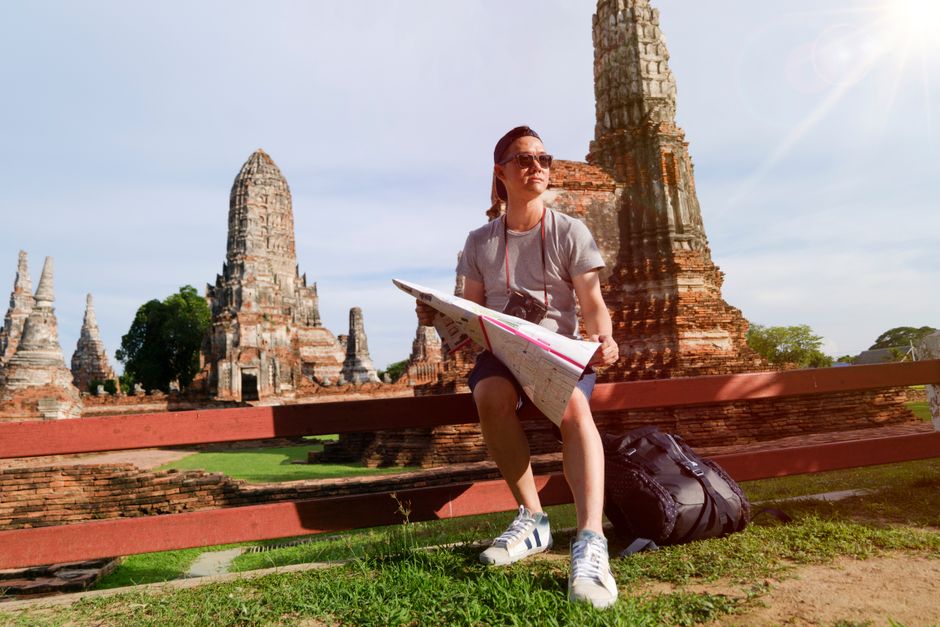
Planning a two-week trip to Thailand involves balancing the desire to explore diverse regions with the need to manage expenses. Thailand offers a wide range of experiences, from bustling cities and ancient temples to tropical beaches and lush mountains. With careful research and a structured approach, it is possible to create an itinerary that allows for meaningful exploration while keeping costs under control.
The process begins by defining personal preferences and constraints. Travelers may consider how much time they want to spend traveling between destinations, what type of accommodations they prefer, and which activities are most important. A budget-friendly trip does not necessarily mean sacrificing quality; rather, it often involves making informed choices about where to allocate funds and where to save.
Many travelers find that a two-week timeframe provides enough days to visit three to four distinct regions without feeling rushed. The key is to plan a route that minimizes transit times and maximizes the value of each stop. By understanding the cost structure of different elements like flights, accommodation, food, and local transport, one can build a realistic budget that supports a fulfilling journey.
Establishing a Budget and Travel Priorities
Before booking anything, it is helpful to set a total budget that reflects personal financial limits. A common approach is to break down the budget into major categories: flights, accommodation, food, local transportation, activities, and miscellaneous expenses. Allocating percentages based on priorities can provide clarity. For instance, someone who values culinary experiences might allocate more to food, while another traveler may prefer to invest in guided tours.
Travel priorities vary widely. Some visitors are drawn to cultural landmarks in Chiang Mai and Bangkok, while others prefer the beach life in islands like Koh Samui or Railay. Writing down a list of desired experiences helps determine where to spend more and where to cut back. For example, if snorkeling trips are a priority, setting aside a specific amount for that activity prevents overspending elsewhere.
It is also worth noting that costs fluctuate by season and region. The high season (November to February) sees higher prices for accommodation and flights, while the shoulder months (March to May, or September to October) may offer lower rates. Factoring in these variations early on allows for more accurate planning.
Choosing Flights and Timing Strategically
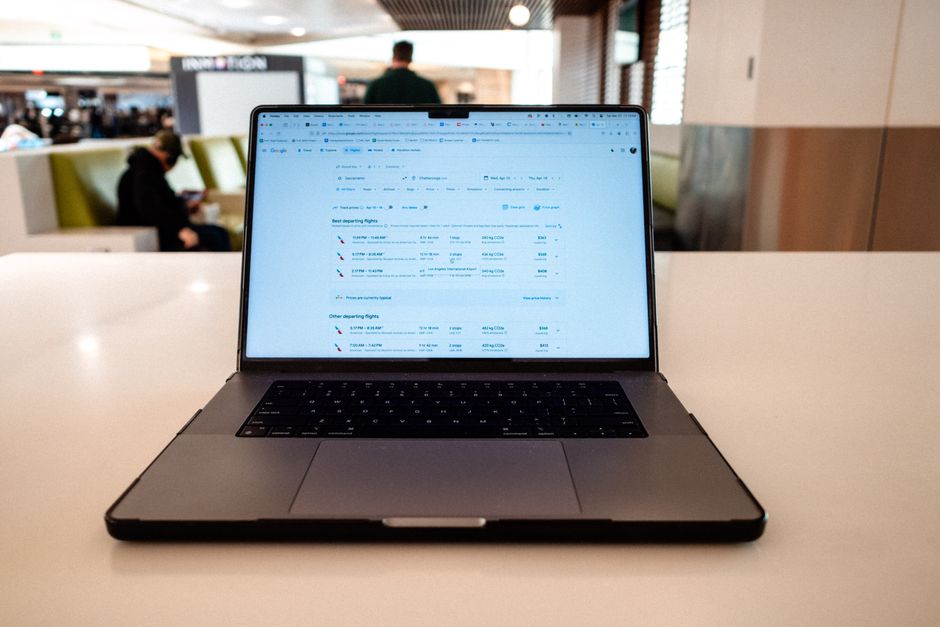
International flights are often the largest single expense. Booking several months in advance may help secure lower fares, though last-minute deals occasionally appear. Using flight comparison websites and setting price alerts can be useful strategies. Travelers departing from major U.S. hubs may find more options and competitive pricing compared to smaller airports.
Timing also plays a role in cost. Flying mid-week rather than on weekends sometimes reduces ticket prices. Additionally, considering alternative airports in Thailand, such as flying into Phuket instead of Bangkok, can save both time and money if the itinerary begins in the south. However, such decisions depend on the overall route and travel style.
Domestic transportation within Thailand is relatively affordable. Budget airlines like AirAsia or Nok Air offer frequent connections between major cities and islands. Train travel, especially overnight sleeper trains, can combine transportation with accommodation costs. Many travelers appreciate the experience and savings of an overnight train from Bangkok to Chiang Mai.
Selecting Accommodation That Fits Your Budget
Thailand provides a wide spectrum of accommodation options. Hostels and guesthouses are common in tourist areas and often cost a fraction of mid-range hotels. Dormitory beds can be found for as little as $10–$15 per night, while private rooms in guesthouses may range from $20–$40. For those seeking more comfort, budget hotels with private bathrooms and air conditioning are available at moderate prices.
Location is an important factor. Staying slightly outside the main tourist center can reduce costs significantly, as long as public transport is accessible. In cities like Bangkok, areas near BTS Skytrain stations or MRT subway lines offer convenience without premium pricing. Reading recent reviews on booking platforms helps assess cleanliness, safety, and value.
Booking directly with the property sometimes results in lower rates or added perks, while online platforms provide flexibility and cancellation options. For longer stays, negotiating weekly rates with guesthouse owners may be possible, especially in less crowded destinations.
Designing a Two-Week Itinerary with Cost in Mind
A well-structured itinerary balances travel time, interests, and budget. A common route is to spend the first days in Bangkok, then travel north to Chiang Mai, and finally head south to one or two islands. This loop minimizes backtracking and uses a combination of flights, trains, and buses. For example:
- Days 1–3: Bangkok (temples, markets, street food)
- Days 4–6: Chiang Mai (old city, elephant sanctuaries, night bazaars)
- Days 7–8: Travel south to an island like Koh Tao or Koh Lanta (allow for transit time)
- Days 9–13: Beach destinations (snorkeling, relaxation, local exploration)
- Day 14: Return to Bangkok for departure
This route reduces the number of flights by using overnight trains or buses where possible. For instance, an overnight train from Bangkok to Chiang Mai saves one night’s accommodation cost. Similarly, flying from Chiang Mai to an island hub like Surat Thani may be quicker but slightly more expensive; ferries from there are inexpensive.
Flexibility remains valuable. Weather patterns can influence island choices, and unexpected opportunities may arise. Having a rough plan with room for adjustments often leads to better experiences without exceeding the budget.
Managing Daily Expenses: Food, Transport, and Activities
Daily costs in Thailand can be kept low without sacrificing enjoyment. Street food is widely available and affordable, with meals often costing $1–$3. Local markets and food courts in shopping malls provide similar options. For those who prefer sit-down restaurants, ordering a few dishes to share can be economical.
Transportation within cities can be managed through local options. In Bangkok, the BTS Skytrain and MRT subway are efficient and reasonably priced. Taxis should always be used with the meter, or ride-hailing apps can provide transparent pricing. In smaller towns, songthaews (shared pickup trucks) or rented bicycles offer low-cost mobility.
Many of Thailand’s most memorable experiences are free or low cost. Exploring temples, hiking in national parks, swimming at public beaches, and visiting local night markets require minimal spending. For paid activities like cooking classes or diving certification, comparing prices and reading reviews helps ensure good value. Entry fees to major temples and national parks are usually modest.
Travelers often find that planning ahead for transportation and meals helps maintain daily spending within expected ranges. Small decisions, such as carrying a reusable water bottle and using refill stations, contribute to both savings and sustainability.
Final Considerations for a Smooth Trip
Preparing practical details before departure reduces stress and unexpected costs. Purchasing a local SIM card at the airport or convenience stores provides affordable data for maps and communication. Using ATMs is common, but withdrawing larger amounts less frequently minimizes transaction fees. Notifying the bank of travel plans can prevent card issues.
Travel insurance is a consideration for many, as it covers medical needs, trip disruptions, and lost belongings. While not always mandatory, it offers a layer of protection that can prevent significant financial loss. Researching policy terms and comparing options before buying is advisable.
Ultimately, a budget-friendly two-week trip to Thailand relies on thoughtful planning, informed choices, and openness to adaptation. No single approach guarantees specific outcomes, as factors like exchange rates, weather, and personal preferences play a role. By focusing on process and priorities, travelers can design a journey that aligns with their resources and aspirations.