Navigating Public Transport in Southeast Asia: A Beginner’s Guide
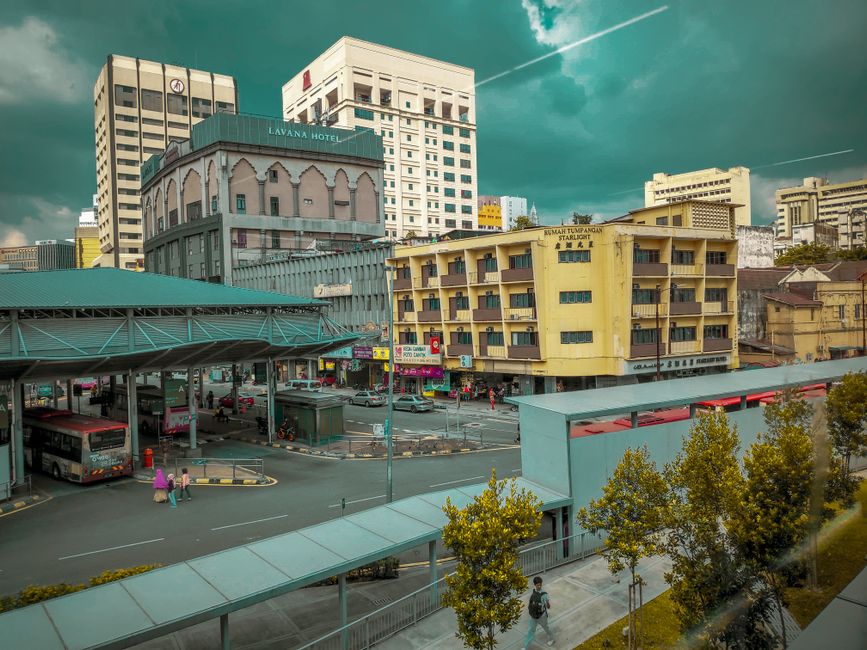
Public transport systems across Southeast Asia vary widely from one city to another, offering a mix of modern rail networks, local buses, and informal options like tuk-tuks. For those unfamiliar with the region, understanding how to navigate these options can seem challenging at first. This article outlines common approaches to using buses, trains, and tuk-tuks, focusing on practical steps such as ticket purchasing, route identification, and general awareness during travel.
The diversity of transport reflects the different stages of infrastructure development in countries such as Thailand, Vietnam, Indonesia, Malaysia, and the Philippines. Each city has its own set of rules, payment methods, and cultural norms. Rather than presenting a single formula, the following sections describe processes that travelers can adapt to their specific destinations. The goal is to provide a framework for learning, not a guarantee of seamless travel.
Understanding the Transport Landscape
The first step in navigating public transport is recognizing the types of services available. Major cities like Bangkok, Singapore, and Kuala Lumpur have extensive rail systems that include subways and elevated trains. These networks typically operate on fixed schedules and provide clear maps and announcements. In contrast, smaller cities or rural areas rely more on buses, minivans, and informal shared taxis. Tuk-tuks and similar three-wheeled vehicles are common in Thailand and parts of Cambodia, while Indonesia has its own variations such as becaks and ojeks.
Each mode has distinct characteristics. Trains and official buses usually have designated stops and set fares, making them predictable once the route is understood. Tuk-tuks and ride-hailing services offer flexibility but require negotiation or app-based booking. Understanding these differences helps travelers choose the appropriate method for a given journey. For instance, a traveler moving between major destinations might prioritize trains, while short trips within a market area might be better suited to a tuk-tuk.
Countries also differ in their payment systems. Some rail systems accept contactless cards and mobile apps, while others require cash payments at ticket counters. Buses in certain cities use a flat fare collected by a conductor, while others use a prepaid card system. Recognizing these patterns before traveling reduces uncertainty and allows for smoother transitions between different transport modes.
Planning Routes and Reading Maps
Route planning in Southeast Asia benefits from a combination of digital tools and local knowledge. Mapping applications like Google Maps or local equivalents often provide directions that include public transport options, estimated travel times, and fare ranges. However, these tools may not always reflect real-time changes such as temporary detours or service suspensions. Cross-referencing with official transit authority websites or printed maps available at stations can provide additional accuracy.
Reading physical maps requires attention to color-coded lines, station names, and interchanges. Many rail systems use numbering or lettering to distinguish lines. For buses, route numbers and destination signs are typically written in the local language, though tourist-heavy areas sometimes include English. When unsure, asking a ticket seller or fellow passenger for confirmation is a common practice. Language barriers can be addressed by using translation apps or showing a written destination name.
Another approach is to identify landmarks or major intersections rather than street names, since local drivers and conductors may not know all street names. For example, referencing a well-known market, temple, or shopping mall can help communicate the intended stop. Travelers can also note the direction of travel by observing the sun or asking for the terminal endpoint. Over time, repeated trips improve familiarity with common routes and transfer points.
Buying Tickets and Fares
The process of purchasing tickets varies by transport type and city. For rail systems, tickets can often be bought from automated machines or manned counters. Machines may accept cash and sometimes cards, but many require exact change. Some machines have an English language option, while others display only local script. In such cases, observing other passengers or seeking assistance from station staff is a standard way to proceed.
Bus tickets are usually purchased onboard from a conductor or driver. The conductor circulates through the bus, collecting fares and issuing paper tickets. Passengers should have small denominations of local currency, as conductors may not have change for larger bills. Day passes or stored-value cards are available in some systems, such as the Bangkok MRT or Manila LRT, allowing unlimited or prepaid travel. These cards can be topped up at stations and used for multiple journeys.
Tuk-tuk fares are rarely fixed and are typically negotiated before the ride begins. Drivers may quote a price based on distance, time of day, or the passenger’s perceived familiarity with local rates. It is helpful to agree on the fare and destination beforehand to avoid misunderstandings. In some cities, ride-hailing apps provide a set price for similar vehicles, offering an alternative to street negotiation. Payment for tuk-tuks is usually in cash, though some apps allow card payments.
Riding Buses and Trains Safely
Safety on public transport involves awareness of personal belongings and understanding local customs. On crowded buses and trains, keeping bags zipped and in front of the body reduces the risk of pickpocketing. Valuables such as phones and wallets should be stored in secure pockets or inside bags rather than in back pockets. Many travelers use anti-theft bags or money belts as an additional precaution.
Boarding and alighting procedures differ. On trains, passengers typically wait for departing passengers to exit before entering. Markings on the platform indicate where doors will stop. On buses, passengers may need to signal the driver by pressing a stop button or calling out the desired stop. In some systems, buses do not stop unless someone requests it, so knowing when to signal is important. Drivers may also close doors quickly, so moving promptly is advisable.
During the ride, holding onto handrails or straps is necessary, especially on buses that may stop abruptly. Some buses have limited seating, and standing is common. Women-only sections exist on certain trains in some countries, providing a designated area for female passengers. Observing these sections is a matter of local etiquette. In general, maintaining a calm and observant posture contributes to a comfortable journey for everyone onboard.
Navigating Tuk-Tuks and Other Informal Transport
Informal transport like tuk-tuks, songthaews, and jeepneys operate under different norms than formal systems. These vehicles often follow fixed routes but can also be hired privately. In cities like Bangkok, tuk-tuks are associated with short trips, while in Chiang Mai, songthaews serve as shared taxis along set routes. Understanding whether a vehicle is a shared or private service affects the payment and boarding process.
When using a tuk-tuk for a private trip, the driver may quote a price significantly higher than the typical fare. A common approach is to negotiate politely, offering a lower amount and settling on a mutually acceptable figure. Some travelers research average fare ranges online before arriving. Alternatively, using a ride-hailing app provides a transparent price and avoids the need for negotiation. Drivers who accept app bookings often have GPS tracking, adding a layer of predictability.
Shared informal transport requires attention to the vehicle’s direction and the route. Passengers board and pay when exiting, and the driver may collect multiple fares along the way. It is helpful to know the destination’s local name or a nearby landmark. In some cases, the driver will only proceed once the vehicle is full. Patience and flexibility are useful traits when relying on such services. Over time, familiarity with common routes reduces the need for constant navigation.
Staying Informed and Adapting
Keeping up with changes in transport schedules, routes, and fares is an ongoing process. Official websites, social media accounts of transit authorities, and local news sources can provide updates. Travelers can also subscribe to alerts from apps that cover public transport. For those staying in one place for an extended period, asking locals or accommodation staff about recent changes is a practical habit.
Adapting to unexpected situations is part of using public transport anywhere. Delays, route diversions, and full vehicles can occur. Having backup options, such as knowing the location of a nearby ride-hailing pickup point or alternative bus route, helps reduce stress. Many travelers carry a printed map or screenshot of the area as a offline reference. The willingness to ask for assistance and observe how locals handle disruptions supports a smoother experience.
Finally, cultural context influences transport etiquette. In many Southeast Asian countries, offering a seat to monks, elderly passengers, or pregnant women is expected. Removing footwear before entering certain vehicles or waiting areas may apply in some regions. Learning a few basic phrases in the local language, such as ‘thank you’ and ‘how much,’ can improve interactions with drivers and conductors. These small efforts contribute to more respectful and effective navigation of public transport systems.